
12-Month Ibogaine Treatment for Fentanyl Addiction Study
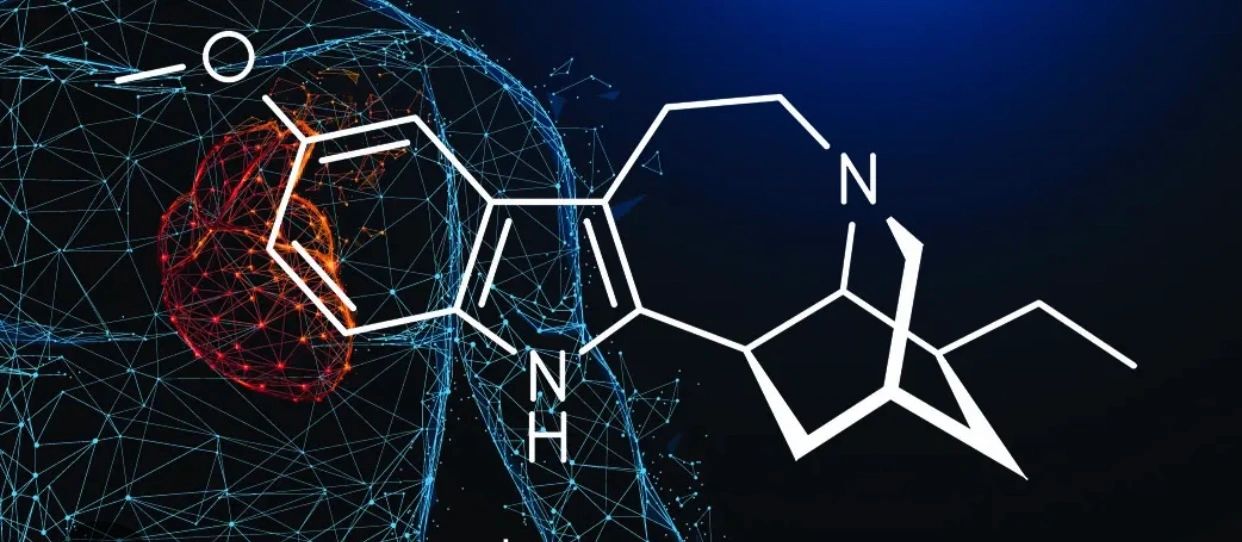
Overview:
Fentanyl addiction has become a major public health issue, especially among young adults in the United States, where it has been recognized as a primary cause of fatal drug overdoses.
Ibogaine treatment shows great potential as a therapeutic intervention for persons struggling with fentanyl addiction. A 12-month longitudinal study was carried out at Oceanside Treatment Center in Nassau, Bahamas, to examine the efficacy of Ibogaine therapy for treating fentanyl addiction.
Oceanside Treatment Center offers addiction treatment programs in a clinical residential setting that promotes healing and recovery. The center is led by Gina Honek, who serves as the Clinical Director and Research Coordinator and is supported by a skilled clinical team. This study aimed to track the progress of 40 participants (30 males, 10 females) over 12 months, evaluating changes in addiction status, health outcomes, and overall well-being.
This study aims to offer significant insights into addressing the fentanyl pandemic and influencing evidence-based therapies by evaluating the trajectory of recovery.
Method:
-Participants: The study included a cohort of forty patients who were addicted to fentanyl.
-Treatment: Participants received Ibogaine treatment followed by aftercare therapy consisting of weekly counseling sessions.
-Duration: The study, which was implemented in 2023, was conducted over a 12-month period, with follow-up assessments conducted at 6 and 12 months post-treatment.
-Assessment: Addiction status was evaluated at the 6-month and 12-month intervals post-treatment.
Results:
– After 6 months of treatment, 32 out of 40 patients (80%) maintained their abstinence from addiction.
–At the end of 12 months, 29 out of 40 individuals (72.5%) were still free from addiction.
–No negative consequences were documented during or following Ibogaine therapy.
Discussion:
The results indicate that the use of Ibogaine treatment, in conjunction with aftercare therapy, can effectively promote and maintain sobriety from fentanyl addiction. This addresses a crucial requirement in light of the increasing number of overdose deaths. While there was a slight decrease in the percentage of participants maintaining addiction-free status from 6 to 12 months, the majority remained free from addiction.
This study emphasizes the significance of comprehensive addiction treatment techniques and showcases the possibility of Ibogaine as a therapeutic choice for addressing the fentanyl pandemic.
Conclusion:
This 12-month longitudinal study conducted at Oceanside Treatment Center in the Bahamas offers compelling proof that demonstrates the effectiveness of Ibogaine treatment in dealing with fentanyl addiction. Fentanyl addiction is a major cause of overdose mortality among young adults in the United States.
Additional research and collaborative endeavors will contribute to the ongoing discovery of favorable outcomes and the formulation of efficient approaches to address the fentanyl epidemic.
For additional details on fentanyl therapy and detoxification:
Oceanside Treatment Center
Nassau Bahamas
1-800-846-0038