Ibogaine: Early Research for Neurodegenerative Diseases Such as M

Ibogaine Treatment for Neurodegenerative Diseases: MS, Parkinson’

Is Ibogaine Treatment a Cure for Addiction?

How to Treat Fentanyl Addiction with Ibogaine Treatment

Breaking free from Methamphetamine

Gov. Abbott signs bill approving funds for Ibogaine research in Texas, used to treat addiction

The Phases of Ibogaine Treatment at Oceanside Treatment Center:

Get Holistic Recovery with Ibogaine at Oceanside Treatment Center


Kratom 12-month Observational Longitudinal Study
Kratom positive outcome with Ibogaine Treatment
Oceanside Treatment Center Releases 12-Month Observational Outcomes on Kratom Addiction and Recovery
In-house longitudinal study (N=28) highlights recovery outcomes and the role of structured integration coaching; calls attention to widespread unawareness of kratom’s addiction risk.
Nassau, Bahamas — August 4, 2024 to August 3 2025.
Oceanside Treatment Center announces results from a 12-month, in-house observational study following 28 adults with kratom use disorder (history of use >2 years). Key findings: 84% abstinence at 6 months; 79% abstinence at 12 months; 78% overall no-
kratom-use across the study window. Participants received twice-weekly integration coaching, underscoring the importance of ongoing support in sustaining recovery.
Background: Kratom & the Awareness Gap
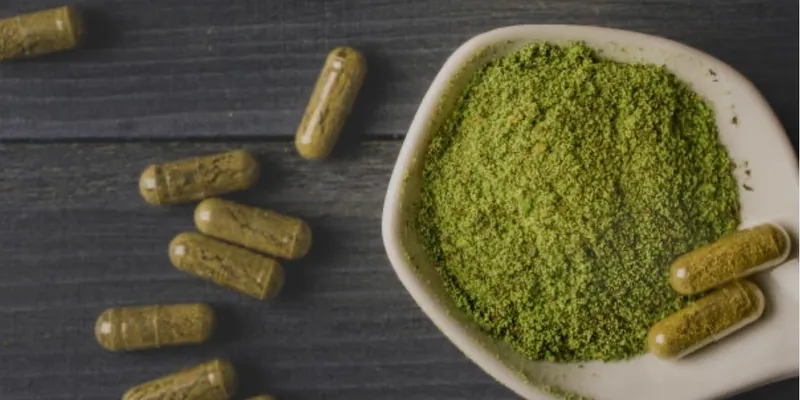
Kratom is a plant-based product with stimulant or opioid-like properties depending on dosage. Many users underestimate its potential for dependence and withdrawal, believing it to be a safe, “natural” supplement. Long-term use can lead to tolerance, withdrawal, and functional impairment similar to other substance use disorders.
Study Overview
Design: Prospective, observational longitudinal cohort conducted at Oceanside Treatment Center, Nassau, Bahamas. Sample: N=28 adults with >2 years of regular kratom use prior to enrollment. Timepoints: Baseline, 6 months, and 12 months. Primary outcome: Kratom abstinence (self-report corroborated by clinical interviews).
Participant Characteristics
Sex: 71% male; 29% female. Age: [median age range 32-48]. Duration of kratom use prior to enrollment: >2 years. Exclusions: Standard Oceanside medical/psychiatric pre-clearance applied.
Treatment & Support Model
Medical oversight with individualized care plans. Integration Coaching: Twice weekly for up to 12 months, focusing on relapse prevention, cognitive restructuring, lifestyle stabilization, and support network building. Adjunctive therapies as needed. This is a real-world clinical outcomes study, not randomized or controlled.
Outcomes & Results
6 Months: 84% abstinent. 12 Months: 79% abstinent. Overall No-Kratom Use (entire study window): 78%. High adherence to integration coaching was associated with sustained abstinence.
Interpretation
These results demonstrate strong abstinence rates in a high-risk group with extended prior kratom use and suggest that structured integration support is a key factor in long-term recovery. Findings underscore the need for increased public awareness of kratom’s addictive potential.
Limitations
Single-site, observational design without randomization or a control group. Outcomes are based on self-report corroborated by clinical interviews (no universal biomarker confirmation). Modest sample size (N=28).
Ethics & Governance
Conducted under Oceanside Research and Treatment Center’s clinical governance and safety protocols. All participants provided informed consent for outcomes tracking.
Quotations
Clinical Director/Gina Honek: “Many patients begin kratom believing it’s a harmless supplement. Our data show that, once dependence develops, structured medical care and integration support are pivotal to recovery.”
Integration Lead: “Twice-weekly integration creates accountability and real-world skills—patients learn to navigate cravings, repair routines, and rebuild healthy reward pathways.”
About Oceanside Treatment Center
Oceanside Treatment Center is a team of experienced professionals specializing in clinical ibogaine treatments for substance use disorders, depression, PTSD, and anxiety. In addition to addiction care, the center conducts ongoing research into neurodegenerative conditions such as multiple sclerosis (MS) and traumatic brain injury (TBI), with early findings showing promising results. Located in Nassau, Bahamas, Oceanside provides a safe, medically supervised, and integrative healing environment for clients from around the world.