Ibogaine Treatment and the Possibilities for Neurodegenerative Conditions
Alternative Treatments for Addiction and Drug-Resistant Depression
When traditional treatment models, counseling, psychotherapy, 12-step, medication-assisted treatment, support groups, fail to produce sustained recovery, many people feel there’s nowhere else to turn. Yet rising rates of addiction, especially to opioids, and drug-resistant depression suggest that the old ways are not enough for everyone. At Oceanside Treatment Center in Nassau, Bahamas, we believe alternative, holistic treatments can offer hope and healing where traditional methods have come up short.
The Scope of the Crisis in the U.S.
To understand why alternative treatments are needed, it helps to look at the numbers:
• In 2022, nearly 110,000 Americans died from drug overdoses (both prescription and illicit drugs).
• Of those overdose deaths, more than 81,000 involved opioids, including prescription opioids, heroin, and especially synthetic opioids like fentanyl.
• U.S. overdose deaths appear to have peaked around 2022 (about 107,941 deaths), with a slight decline in 2023 to about 105,007.
• Combined deaths from drug overdose, suicide, and alcohol misuse in the U.S. are over 200,000 per year.
These numbers show that many people suffering from addiction and depression are not being saved by standard approaches alone. Many relapse, many never fully recover, partly because of severe withdrawal, partly because traditional therapies may not address deep biological, neurological, and spiritual dimensions of the disease.
Why Traditional Treatments Often Fall Short
Many people trapped in addiction are not just battling bad habits or psychological issues, they are dealing with post-acute withdrawal symptoms (PAWS), brain chemistry shifts, and receptor damage. For many opioid users, after physical dependence builds, the person may no longer use opioids to feel high but simply to avoid being sick. This leaves them in limbo: addicted, miserable, unable to resume normal brain function, but terrified of withdrawal.
Similarly, “drug-resistant depression” refers to cases where multiple courses of antidepressants, therapy, and lifestyle changes have failed. The brain’s neuroplasticity may be inhibited in such cases, making it hard for new, healthier neural pathways to form.
An Alternative Approach: Ibogaine Treatment & Holistic Therapies
One alternative that shows promise is Ibogaine treatment. Here’s how it works and what makes it different:
• What is Neuroplasticity, and how does it matter?
Neuroplasticity refers to the brain’s ability to reorganize itself, forming new neural connections, altering existing ones, and recovering or adapting after injury or traumatic experience. In addiction and depression, some pathways become overly reinforced (e.g., craving, fear, low mood), and many healthy, balanced pathways shrink or are suppressed.
• How Ibogaine helps reset those pathways:
Ibogaine is a psychoactive substance derived from the African iboga shrub. Administered under medical supervision, it’s known to produce strong introspective and often visionary effects. It seems to act on brain receptors in ways that reduce withdrawal symptoms, reduce cravings, and help interrupt deeply entrenched addictive patterns. Because one treatment can produce a very strong “reset”, clearing opioid dependence, helping restore natural endorphin, dopamine, and serotonin balances, it offers something beyond what many conventional therapies can achieve. It helps the brain re-establish healthier functioning rather than just masking symptoms or holding the line.
• Detox and receptor work:
Ibogaine is sometimes described as producing a “100% detox” of opiates, meaning it can allow the body to eliminate many of the dependency effects and reduce physical withdrawal. It works with brain receptors to clear out or reduce some of the constant stimulation from opioids, which suppress or disrupt the brain’s natural reward and mood chemicals. As those natural systems recover, people often report improved mood, better ability to feel pleasure, less emotional pain, and less anxiety or depression.
• Why can’t many get sober without something like this:
The severe post-acute withdrawal symptoms (which can include anxiety, depression, insomnia, mood swings, pain, and many others) are often unbearable. Many people relapse simply to avoid going through those symptoms. Traditional detox or tapering methods may help, but often they are long, uncomfortable, or leave lingering symptoms. Ibogaine offers a more compressed, intense path through that detox phase, which for some allows them to move forward more cleanly.
Other Alternative and Complementary Therapies
There are other promising modalities (some of which we use at Oceanside):
• Psychedelic-assisted therapies (5-MeO-DMT) which can help in breaking rigid mental patterns, traumatic memories, and entrenched depressive or addicted behavior.
• IV NAD (nicotinamide adenine dinucleotide) detox to support cellular repair, brain cell energy, and reduce cravings.
• Spiritual wellness therapies, meditation, mindfulness, connection to nature, integration coaching, helping restore sense of purpose, meaning, and emotional resilience.
These are not “magic bullet” quick fixes, but when combined, and under proper medical supervision, many clients show significantly better outcomes than with standard care alone—especially for cases of addiction or depression that have resisted treatment.
What is Neuroplasticity and Why It’s Key
“Neuroplasticity” is the capacity of your nervous system to change its structure and function in response to experience. Its how your brain learns, heals, and recovers. In addiction and depression, neural circuits associated with reward, stress, mood, fear, and pleasure can become stuck or hijacked. These unhealthy pathways grow stronger (for example, craving pathways, stress responses), while healthy pathways (joy, motivation, emotional regulation) may weaken.
Alternative treatments like Ibogaine help by:
• Temporarily interrupting those entrenched pathways, giving the brain a chance to “reset.”
• Reducing the signaling in receptors overloaded by long-term drug use.
• Allowing natural neurochemicals, dopamine, serotonin, endorphins, to re-establish a more normal balance.
• Making space for new, healthier neural connections to form, which therapy, coaching, spiritual work, and lifestyle support can help solidify.
Why Choose Oceanside Treatment Center in the Bahamas
At Oceanside, we believe in a holistic, customized approach. Here’s what we offer:
• Personalized treatment plans: each person has a unique history, biology, and trauma. What works for one may not work for another.
• Highly trained staff: physicians, nurses, coaches, support teams, integration experts—people who know both the science and the human side.
• Cutting-edge and alternative treatments: (Ibogaine treatment, 5-MeO-DMT, NAD IV, spiritual wellness).
• Aftercare and continuity of care: we stay with you after the intensive phase to help you integrate change into daily life, prevent relapse, and build resilience.
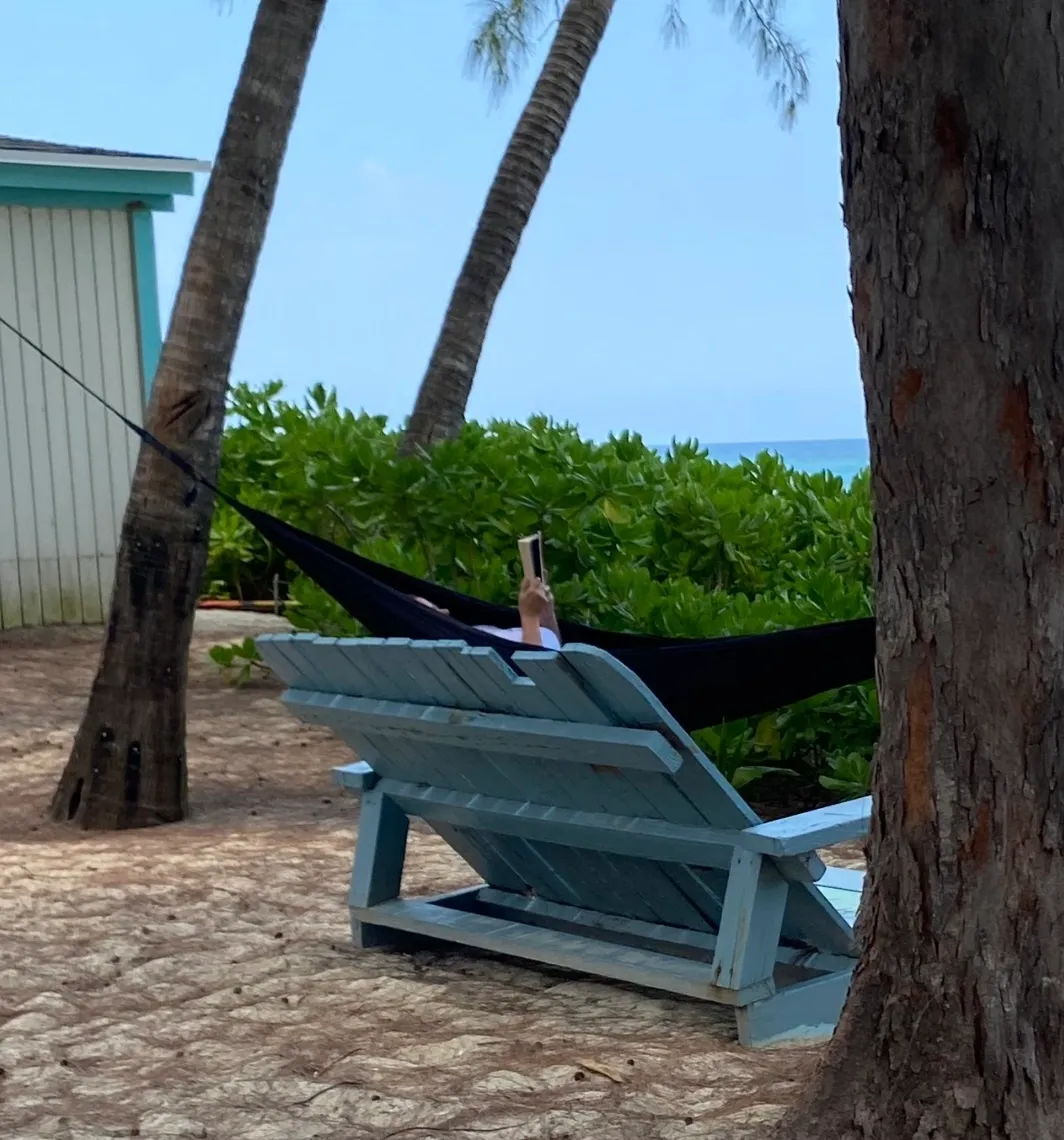
And yes, the Bahamas offers a beautiful, safe, tropical environment. The climate, the ocean, nature, serenity, all of it supports healing. It’s close enough for many people in the U.S. to travel, yet distant enough to provide a retreat atmosphere.
Conclusion: A New Option for Deep Healing
Addiction and drug-resistant depression are complex, stubborn problems. Traditional treatments work for many, but for others, something more radical, more holistic is needed. Alternative treatments—especially those that work with the brain’s neuroplasticity, that offer deep detox, receptor reset, and spiritual renewal—represent an incredible option for people who have tried everything else.
At Oceanside Treatment Center in Nassau, Bahamas, we provide those options. We treat addiction, depression, anxiety, PTSD, even traumatic brain injury, and we are expanding into caring for neurodegenerative conditions like multiple sclerosis. We combine rigorous research, innovative protocols, and deeply compassionate care. Each plan is uniquely built around the individual; we reject “one-size-fits-all.” And we provide aftercare so your journey doesn’t end when treatment does.
If you or someone you know is struggling with depression, addiction, or trauma, know there are powerful alternatives. There is hope. Let Oceanside help you toward a life of balance, well-being, and true healing, mind, body, and spirit, in an environment of natural beauty and safety.
Contact Details:
Name: Oceanside Treatment Center
Phone: 1-800-386-0038
Email: bahamasoceanside@gmail.com OR Intakeoceanside@gmail.com
Website: www.oceansideibogaine.com