

Why Aftercare Really Matters
People often fixate on the treatment session as a single, transformative moment. Truth is, ibogaine opens a door. What you do next decides if you’ll step through it and keep moving.
Without solid aftercare, even the strongest ibogaine experience can fade fast. But when you have good support, you’re much more likely to:
- Hang onto that drop in cravings you felt after treatment
- Deal with tough emotions or memories that came up
- Start building new habits that stick
- Stay clear of old triggers for relapse
- Feel genuinely supported instead of left on your own
Recovery isn’t one event. It’s a process. Aftercare is where you really put in the work.
What Does Integration Really Mean?
Integration is about making sense of your ibogaine experience and actually using what you’ve learned in daily life. Sometimes clients report vivid memories, deep emotional release, or an entirely new view of their addiction while in treatment. Integration is how you turn that insight into lasting change.
Usually, integration involves:
- Talking with trained staff or a therapist soon after your session
- Journaling to catch fresh thoughts and feelings before they disappear
- One-on-one counselling for anything still unresolved
- Group conversations with others on the recovery path (when it’s the right fit)
- Planning for daily life, work, and relationships
If you skip this step, it’s easy for big breakthroughs to fade, leaving you unsure what to do with what you’ve just been through.


Our Approach to Aftercare
Our aftercare is built on a simple idea: you shouldn’t have to go through recovery alone just because you’ve left our facility. Here’s what support looks like with us:
- Regular check-ins during the first days and weeks after treatment
- Personal recovery plans shaped around your triggers, goals, and situation
- Referrals to local therapists or counsellors if you need them
- Practical advice for daily living—sleep, food, routines—they all help recovery stick
- Ongoing access to our team for questions or guidance as you get back to life
No cookie-cutter programs here. Every aftercare plan is tailored to fit the real person behind it.
First 90 Days: What to Do
The first few months after treatment matter most. Here’s what we typically recommend:
- Weeks 1–2: Rest, light activity, and hold off on major decisions—give your mind and body time to adjust
- Weeks 3–4: Start adding routine—light exercise, regular meals, spend time with supportive people
- Month 2: Begin or return to therapy, pay attention to any patterns or triggers showing up
- Month 3: Check in with your aftercare team, adjust your plan as needed
Recovery doesn't move in a perfect straight line. Having support and some structure means you can handle setbacks without losing all your progress.
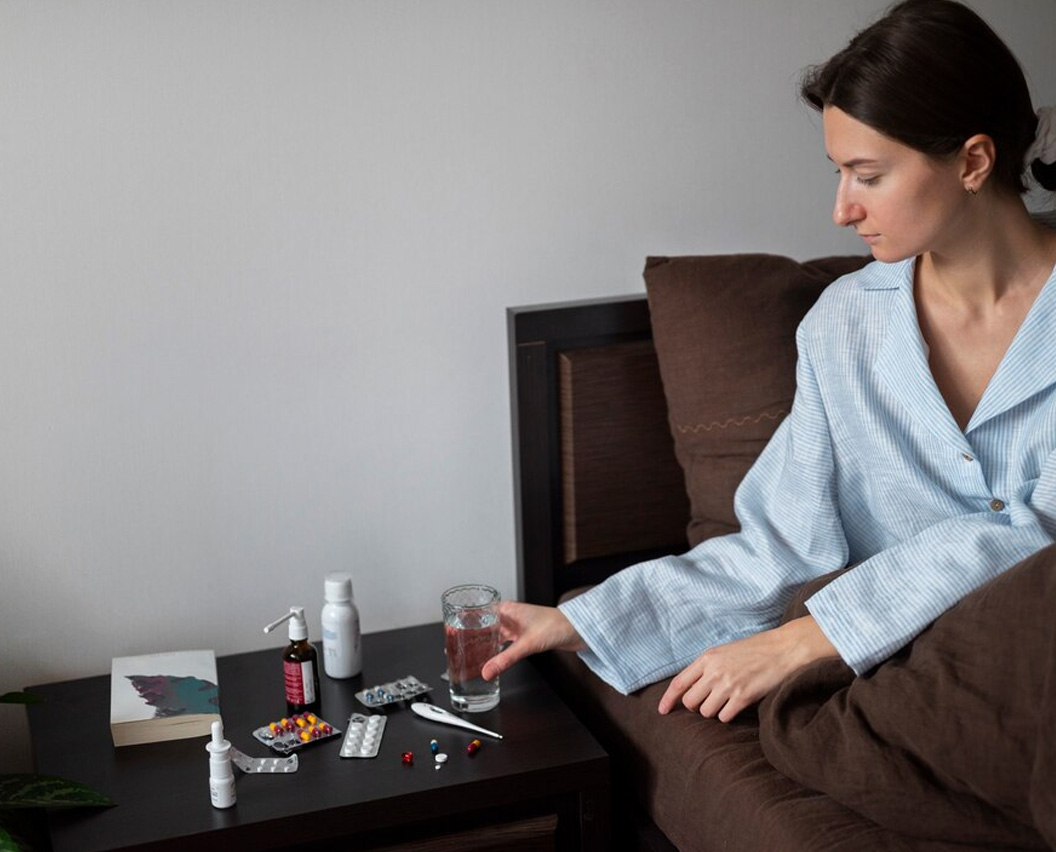

Building a Support Network That Sticks
No aftercare works in a vacuum. Who you’re surrounded by makes a big difference. We encourage clients to:
- Rebuild and reconnect with family if trust needs mending
- Join a peer support group, in person or online
- Identify at least one person you can reach out to in tough moments
- Set real boundaries with people or situations that pull you off track
A solid network takes time to build, but it’s your best safety net against relapse.
How to Read Ibogaine Treatment Center Reviews
Picking a treatment center is a big deal. Reviews help, but only if you look closely. Here’s how to read them:
- Look for consistency across lots of platforms—not just a handful of glowing reviews on one site
- See if people mention medical safety—do they talk about proper screening and monitoring?
- Pay attention to how aftercare gets discussed—the best programs get called out for their follow-up, not just their treatment day
- Notice if people talk honestly about tough moments, not just great results
- Give more weight to reviews on independent forums or platforms with verified users—those hold up better than anonymous praise you only see on the clinic’s own website
If a clinic sounds too perfect or promises guaranteed cures, be wary. Ethical providers are honest about both successes and limits.
Why Aftercare Should Guide Your Choice
When you’re comparing treatment options, it’s easy to zero in on the session itself or the price tag. But quality aftercare often separates short-lived change from a true turning point. Before you pick a provider, ask them:
- What exactly does aftercare include, and how long does it last?
- Is follow-up support part of the price or extra?
- Who do I talk to if I’m struggling after I leave?
- Can you help me find local therapy or support groups if I need them?
How a clinic answers these says more about their care than any flashy marketing.
Recovery Keeps Going
Ibogaine can open the door wide. But real change is about what comes next—the reflection, the support, and all the small decisions that rebuild your life. At Oceanside Treatment Center, we stay in your corner long after treatment day, because we know recovery doesn’t end when you walk out the door.
Curious about our aftercare? Reach out any time to learn how we help people keep moving forward after treatment.
Frequently Asked Questions
Ready for a Real Change?
No one just “stumbles” into recovery. It starts when you decide—and find people who’ll walk with you. At Oceanside, we blend top medical care with real compassion, because we know addiction isn’t only about your body. It eats at your emotions too.
If you’re ready, reach out for a private consult. Let’s talk about whether ibogaine is the right next step for you.